Respecting a person’s chosen name and pronouns goes far beyond basic politeness. It is a powerful way of recognizing and validating their identity. In daily interactions, this respect can determine whether someone feels acknowledged or ignored. In medical environments, where people may already feel exposed and vulnerable, it becomes even more important.
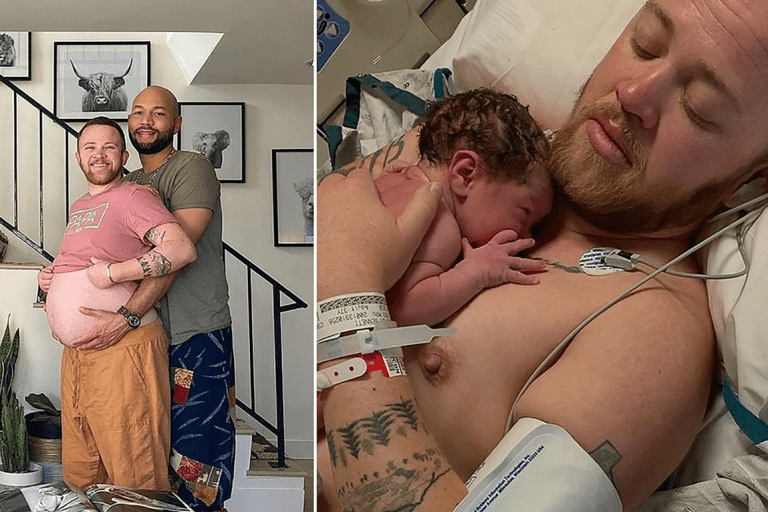
Despite this, outdated ideas about gender still affect the language and behavior of some healthcare workers. Bennett Kaspar-Williams, a transgender man who gave birth to his son Hudson in 2020, experienced this firsthand. Even though he had clearly communicated his identity and his medical records identified him as male, hospital staff repeatedly called him “mother” during his planned C-section. A moment that should have been filled with joy was instead complicated by frustration, discomfort, and emotional distress.